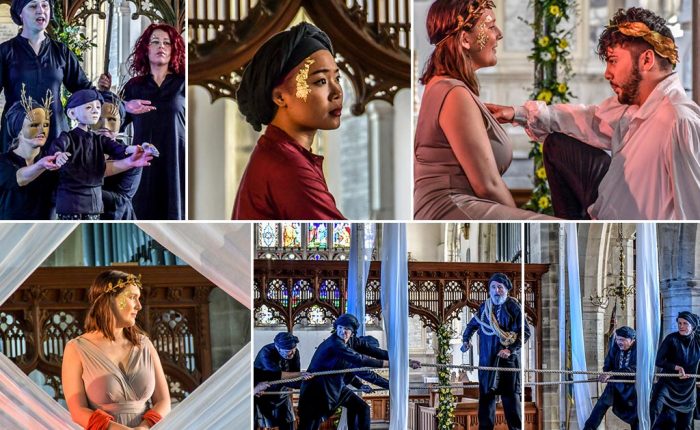
Mid Wales Opera (MWO) celebrated a resounding success with its OpenStages 2026 project last weekend, culminating in two fully staged performances of Dido and Aeneas at Brecon Cathedral on Saturday 11 April, alongside a special Musical Soirée at Hay Castle on Thursday 9 April. Both events sold out in record time, with demand for the cathedral performances so high that two additional release of tickets had to be created, with a waiting list introduced at Theatr Brycheiniog.
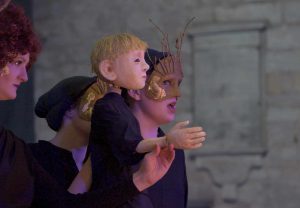
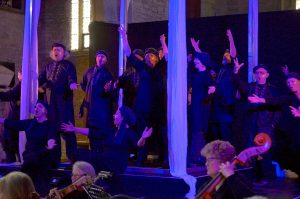
At the heart of this success was the OpenStages project itself, an intensive and inspirational week of music making that brought together professional artists, students, and amateur musicians in a shared creative process. Rehearsing across Brecon and Hay, participants worked as one integrated company under Mid Wales Opera’s creative team, culminating in performances that combined artistic excellence with a powerful sense of community collaboration.
Artistic Director at Mid Wales Opera, Richard Studer explained the importance of these projects in the community
“What I love about MWO’s OpenStages projects like this production of Dido & Aeneas is that it’s an opportunity for early career singers, amateurs and professionals to work alongside each other in a supportive environment. I think it’s the responsibility of all artists at any level to have a strand of their work dedicated to connecting to new audiences and promoting their art form. It doesn’t matter what level of your career you have achieved, or where you are in terms of appreciation, we were all beginners once!”
Sung in NahumTate’s original English libretto and accompanied by the OpenStages Orchestra, the production offered a vivid and emotionally compelling interpretation of Henry Purcell’s timeless opera. The project captured the immediacy and intensity of live opera-making, with performers fully immersed in the experience of bringing a complete work to the stage in just one week.
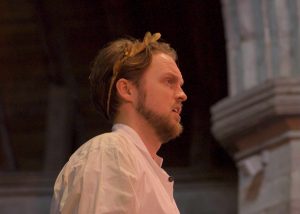
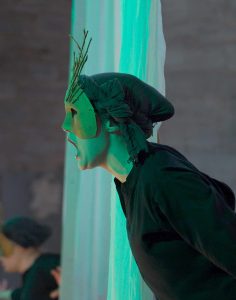
Louise Wood, Welsh mezzo-soprano currently based in Manchester and studying at the Royal Northern College of Music, who took part in the project alongside other new and emerging talent said “I’m very excited to play the role of Sorceress. She’s such an interesting character, as the audience only sees her for a fraction of the opera, but boy does she make an impact!”.
Audience response to the two Cathedral performances was overwhelmingly enthusiastic and both events demonstrated the breadth and flexibility of the OpenStages model, reaching audiences in different settings while maintaining the same high artistic standard.
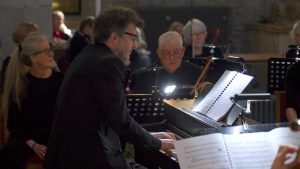
The orchestra was conducted by Jonathan Lyness and led by the talented Elenid Owen. The ensemble brought together a dedicated group of string musicians.
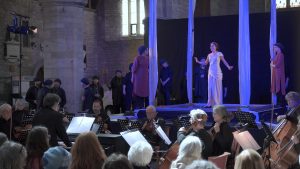
A community chorus was also at the heart of the production, bringing together singers of all ages and experience levels to form a vital part of the storytelling. More than just a musical ensemble, they helped create the emotional and dramatic world of the opera, shaping atmosphere, supporting the principal roles, and giving voice to the wider community within the piece.
Lucy Green, Chorus Alto was one of the people who took part and said “when I moved to Wales from London I thought I had given up opera singing. But seeing the poster about this my heart leapt – one of the greatest gems amongst all opera in the English language. I couldn’t help myself applying!”.
With demand exceeding capacity across all events, OpenStages 2026 stands as a clear demonstration of both the enduring appeal of opera and the impact of making it accessible, immediate, and rooted in community. Beyond the performances themselves, Mid Wales Opera continues to play a vital role in widening access to opera, particularly across rural communities.
By removing traditional barriers to participation and fostering genuine collaboration between professionals and non-professionals, the project supported skills development, nurtured emerging talent, and strengthened meaningful connections between artists and audiences.