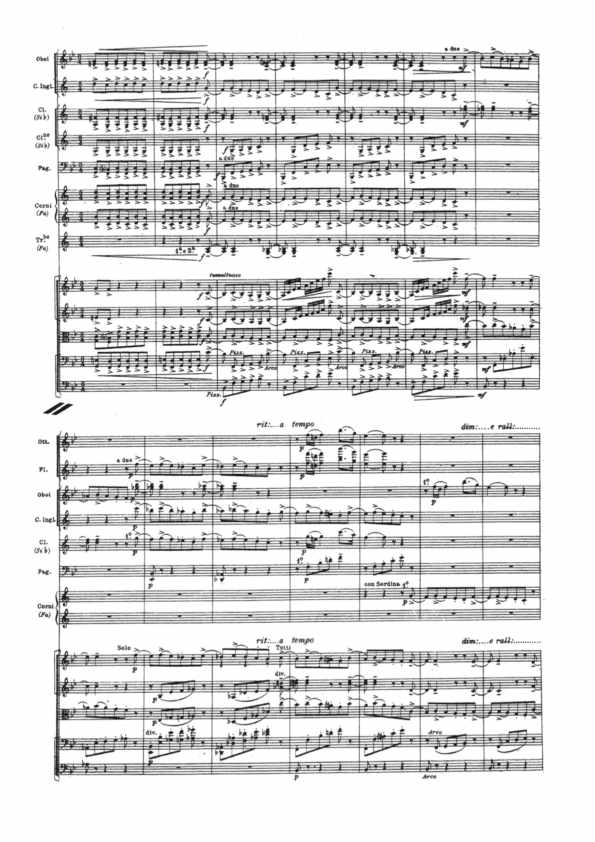
I suspect many opera goers, sitting comfortably through the opening bars of Gianni Schicchi, won’t have wondered too much where the first beat of each bar is. The music begins, the curtain goes up, and audiences assess the stage. But for those opera goers listening more carefully, who imagine they know where the beat is, they’re probably wrong! Because even for the seasoned musician this music is not easy to get one’s head around. When the flutes play their joyful comic phrase some twenty seconds in (a preview of the roguish, impish Gianni Schicchi himself) it sounds late. But it isn’t. It sounds late, because the first beat of each bar sounds early.
For the cast of singers (‘relatives’) on stage, when they enter with their ‘cries’ and ‘laments’, their “Ooh”s and their “Ahh”s and endless “Povero Buoso”s, it’s quite a job to keep everything in the right place, such is Puccini’s constant misdirection as to the first beat of each bar. When it comes to dead bodies taking centre stage in a bed, in a comedy, ‘miscommunication’, as happens in a famous episode of the British sitcom Fawlty Towers, is unsettling. Here, Puccini’s great conceit is to unsettle us all, including the performers! Ironically, it’s the occasional sound of Puccini’s tamburo (funeral drum) from the pit, played ‘on’ the beat, that helps somewhat to keep everyone on track.
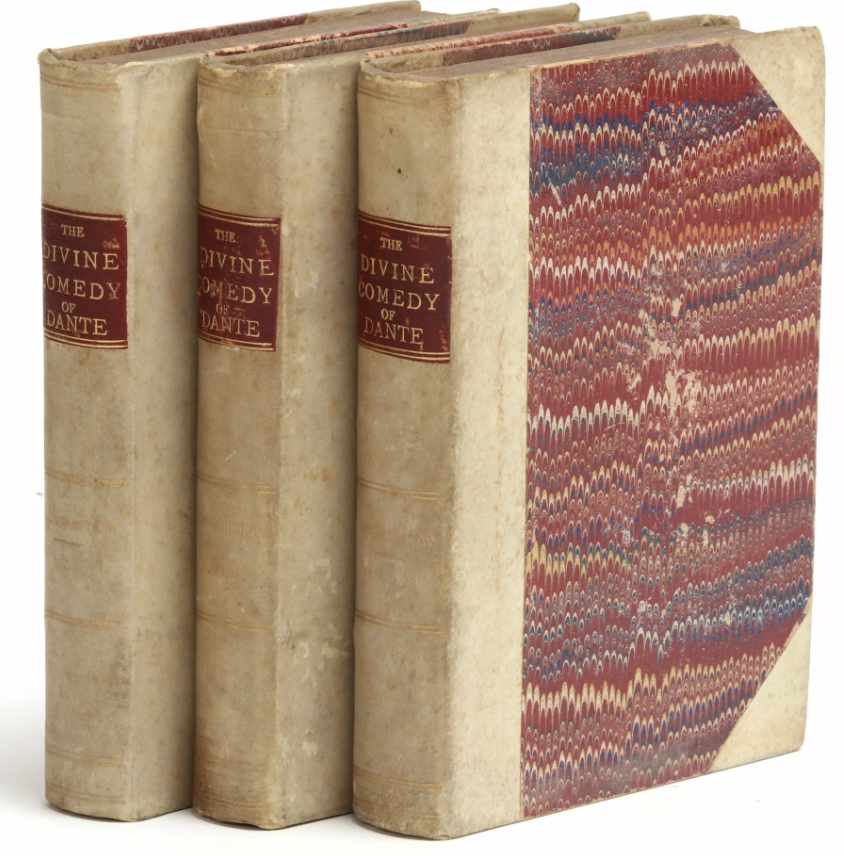
Gianni Schicchi, Puccini’s penultimate opera, is set in the city of Florence in 1299, back then a booming, wealthy city, on the verge of the Renaissance, though still some 150 years prior to the beginning of the Medici Family’s powerful banking dynasty. For the plot, Puccini’s young librettist, the playwright Giovacchino Forzano, drew on a curious episode from The Divine Comedy, a huge c14th poem by Dante Alighieri that describes Dante’s own imaginary journey through the three areas of the afterlife: Inferno (Hell), Purgatorio (Purgatory) and Paradiso (Heaven).
Forzano’s 1866 edition contained an Appendix with a commentary on the actual historical accuracy of a particular episode concerning one ‘Gianni Schicchi’, a real person, so it seems, who committed a crime for which Dante placed him in his Inferno. The story goes that when the wealthy Buoso Donati died, his son Simone feared that he might have left all his property (ill-gotten gains) to the Church. Before making his father’s death known, therefore, Simone approaches Gianni Schicchi, a known Florentine impersonator and fraudster, who offers to impersonate the dying Donati, dictating a new will.
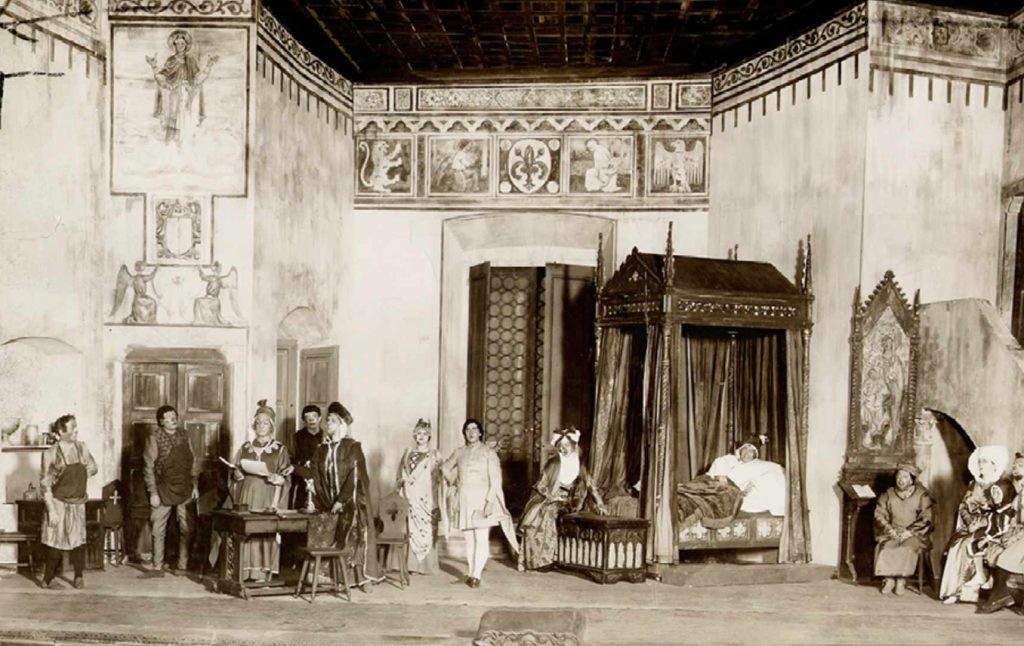
In Forzano’s libretto, a host of greedy relatives gather around the dead Buoso Donati, only to discover that he has left all his money to a monastery. I was struck, earlier this year, reading George Eliot’s Middlemarch, by a very similar scene, whereby a host of relatives gather around the rich but dying Peter Featherstone, only to discover he has left everything to an illegitimate son. It’s a serious scene that creates tragedy for one of the novel’s young heroes Fred Vincy who is now unable to marry his true love, Mary Garth. But for Puccini and Forzano, the plotline cried out for comedic potential, with stories of clever testators and their scheming but disappointed heirs already a common theme of Italy’s commedia dell’arte and opera buffa.
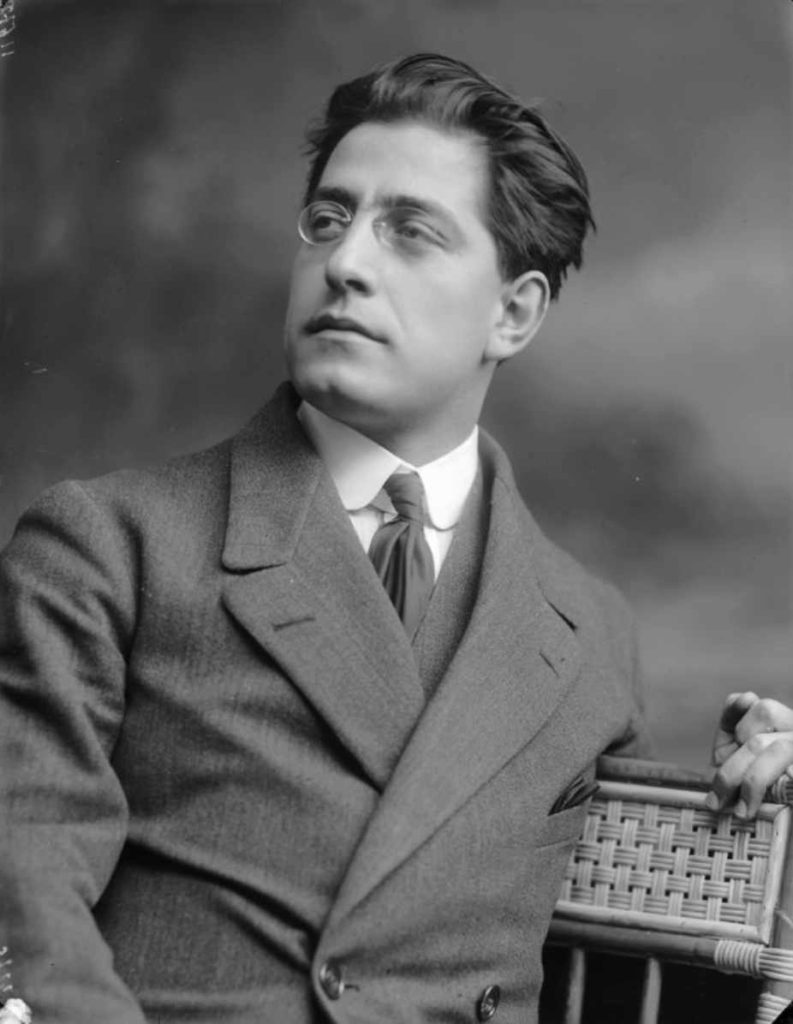
Gianni Schicchi was the third of Puccini’s operatic triptych Il trittico, the first two instalments being Il tabarro and Suor Angelica. The first performance of Il trittico took place at the Metropolitan Opera, New York on 14 December 1918. For the first time in his career, Puccini was unable to make the premiere, and so he nervously sent written instructions to the 38-yr-old Italian conductor, Roberto Moranzoni, and waited for news. By all accounts, the first night audiences applauded politely following both Il tabarro and Suor Angelica. But they received Gianni Schicchi rapturously, the New York Tribune writing “The music is so full of life, humour and ingenious devices… it was received with uproarious delight.”
Later performances confirmed Gianni Schicchi as the audience favourite, much to the annoyance of Puccini whose favourite was Suor Angelica. And though he initially resisted calls for the operas to be performed separately, he soon relented, and at Covent Garden, for example, Gianni Schicchi began to be paired with other operas, such as Ravel’s L’heure espagnole and Strauss’s Salome. Today, the impressionistic palette and grim realism of Il tabarro, and the religious overtones and personal tragedy of Suor Angelica, ensure that each of those two operas have their solid fanbase. Nonetheless, Gianni Schicchi continues to be the most popular of the three.
It is also Puccini’s single mature comic masterpiece, and so he joins Wagner and Verdi who also each created just one mature comic masterpiece, Die Meistersinger and Falstaff respectively. In each opera the composer delivers bristling energy, imbuing their works with their respective medieval locations. Die Meistersinger, perhaps Wagner’s most ‘German’ opera, evokes the old city streets of Nuremberg, with its march-like themes, folk-like melodies, fugues and chorales. Verdi’s Falstaff, set in Windsor, with its Elizabethan lute, tavern humour, woodwind jokes, woodland fairies and consonant-heavy ‘un-Italian’ speech rhythms ‘sounds’ English, so much so that later English composers such as Elgar looked to Falstaff to find their own English sound-worlds!
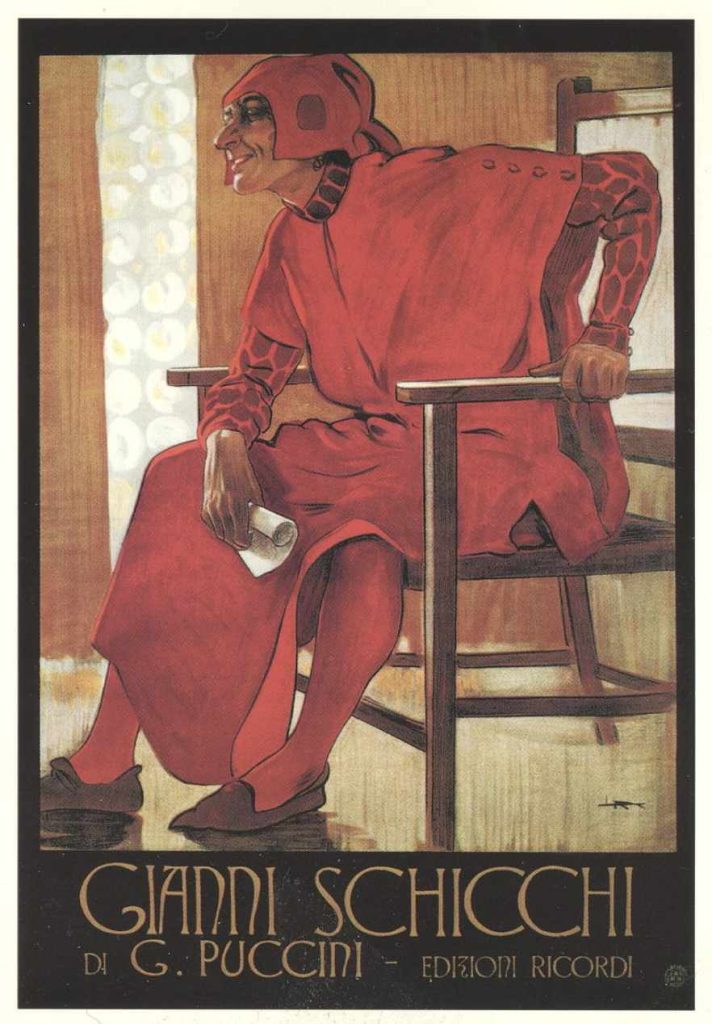
Likewise, Gianni Schicchi is arguably Puccini’s most Italian opera. Its characters spring directly from commedia dell’arte – Schicchi from Harlequin and the young Lauretta from Columbine – and the quick-fire vocal interaction over bubbling accompaniment, often in a 2/4 time signature, recalls such early c19th composers as Rossini. Florence is made centre-stage, with Rinuccio’s aria “Firenze è come un albero fiorito” (Florence is like a flowering tree), with its bright intervals, three-line poetic structure and reference to flowers all firm characteristics of Tuscan stornello street songs. And nowhere in Puccini’s entire output do we find more Italianism than in the sweeping lyricism, broad symmetry and lush string doublings of Lauretta’s iconic aria “O mio babbino caro”, used so effectively for the Florentine setting of the Merchant/Ivory 1985 film adaptation of A Room with a View.
George Eliot admired and referenced Dante’s works in several of her novels including Middlemarch, Daniel Deronda and Romola (which is set in Florence), and an English language edition of The Divine Comedy was published in 1867 just two years prior to her work on Middlemarch. That said, there appears no evidence that George Eliot drew her Peter Featherstone scene directly from Dante. Nor can I find any evidence that Puccini ever read Middlemarch! However, Puccini was astonishingly well read, devouring much English literature, and immediately after composing Gianni Schicchi, Puccini worked on various ‘English’ operatic subjects including Richard Blackmore’s Lorna Doone and, most intriguingly, Charles Dickens’s Oliver Twist! One can only imagine what might have come of this if he hadn’t, instead, turned his attention to what would be his final opera – Turandot.